Pathophysiology of Coronary Restenosis
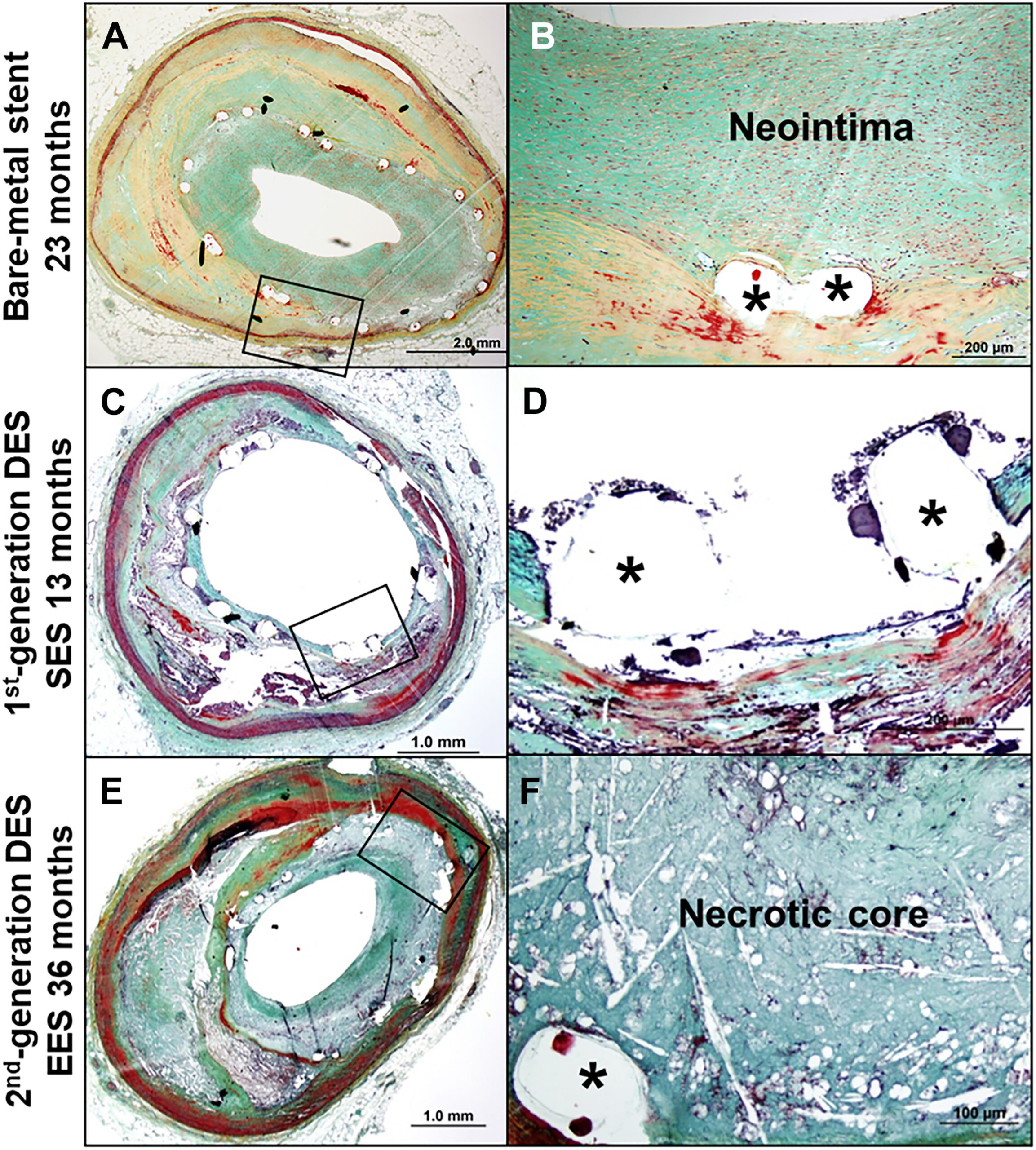
In-stent restenosis (ISR) refers to the narrowing of the vascular lumen after stent implantation. The development of first-generation drug-eluting stents (DESs), which used antiproliferative agents to suppress neointimal hyperplasia, reduced ISR rates by 20%. However, new complications followed, including late-stent thrombosis. Second-generation DESs further improved IRS rates and reduced stent thrombosis to less than 0.5%, yet neoatherosclerosis and late restenosis still occurred. Recent advancements in imaging technologies and lesion assessment techniques, along with the introduction of drug-coated balloons (DCBs), have allowed more personalized, lesion-specific treatment approaches. CVPath’s latest article, led by Dr. Kazuhiro Fujiyoshi, provides an updated overview of the pathophysiology of ISR. The authors describe the different types of ISR, its etiology, risk factors, pathophysiological mechanisms, imaging methods, and treatment. To read the full paper, click here.